Forestry mulching can turn thick brush and small trees into a layer of chipped ground cover. It does not remove buried roots or make a building pad ready for a foundation. Before you hire anyone, decide what each part of your land needs to become. That choice sets the clearing plan.
You may want a walkable tree line and a future driveway on the same tract. Plan those areas separately.
Start with the use, not the machine
Mark three kinds of ground
Walk the property with a rough map. Mark areas you want to keep, open, or build on. A phone photo or printed aerial view is enough to start.
In the keep area, name trees or views to save. In the open area, say whether you want to walk, mow, or reach a fence. Mark the likely house, shed, drive, or utility path, even if the layout may change. A surveyor or builder should confirm any construction layout.
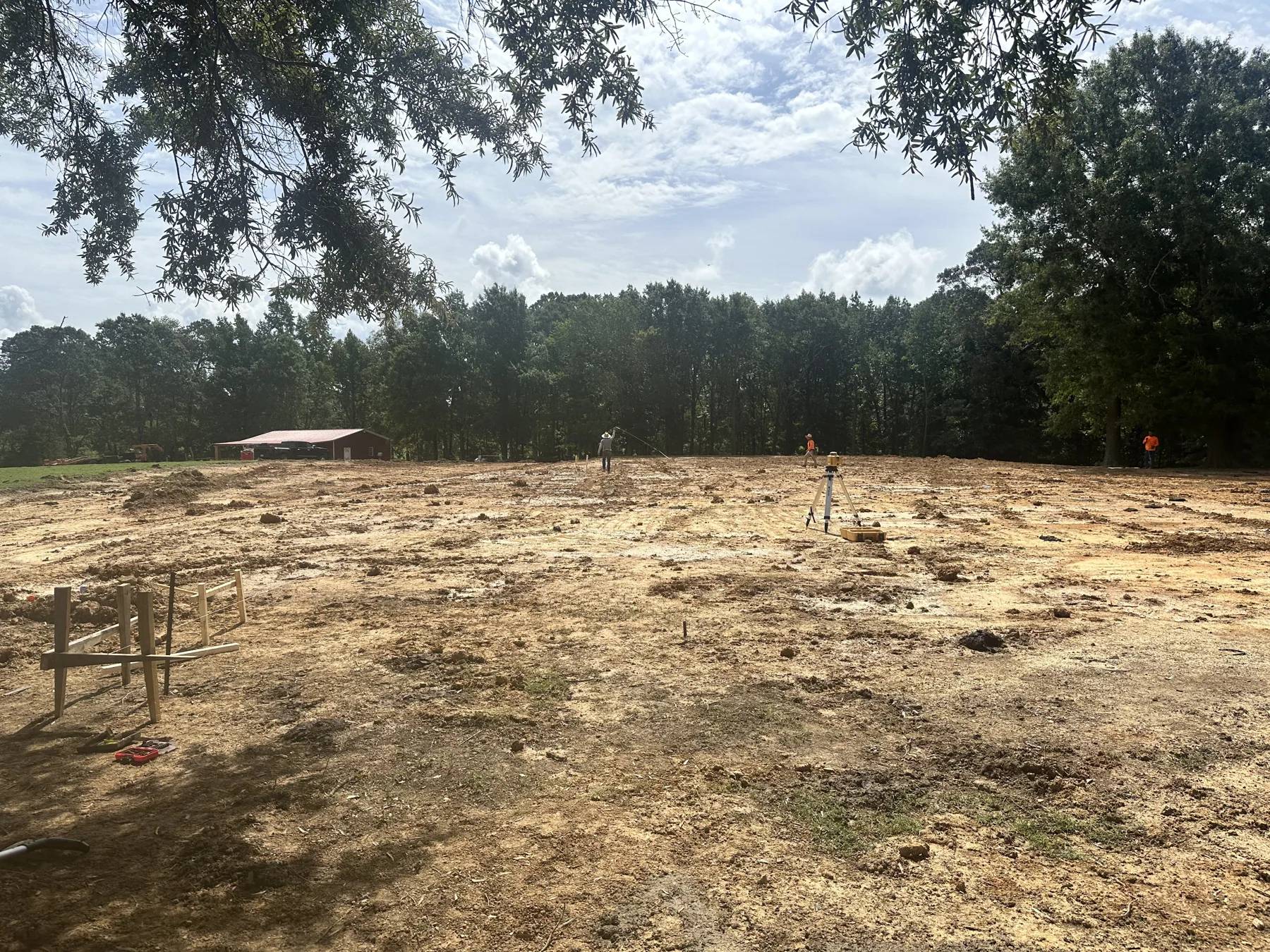
This is where a blanket “clear the whole lot” request can go wrong. Mulching may give you the open ground you wanted around a future home, while the footprint itself still needs land clearing and stump removal. The order of those jobs matters more than making every acre look the same.
Pro Tip: Put a bright marker on each tree or feature you want saved before the contractor’s site walk. Then walk the boundary together; a sketch alone can be hard to match to a thick tree line.
Name the finish you expect
“Cleared” can mean several things. Do you want mulch left on the ground, brush hauled away, a mowable surface, or ground ready for a builder? A mulcher cuts above-ground growth and leaves chipped material in place. It does not remove stumps and roots or set a finished grade.
If your main goal is to open the space beneath trees and take debris off site, brush and underbrush clearing may fit the finish better. If you want to understand ETG’s mulching service and how its crew approaches the work, see the forestry mulching service page.
Walk for the things the brush hides
Look for access and obstacles
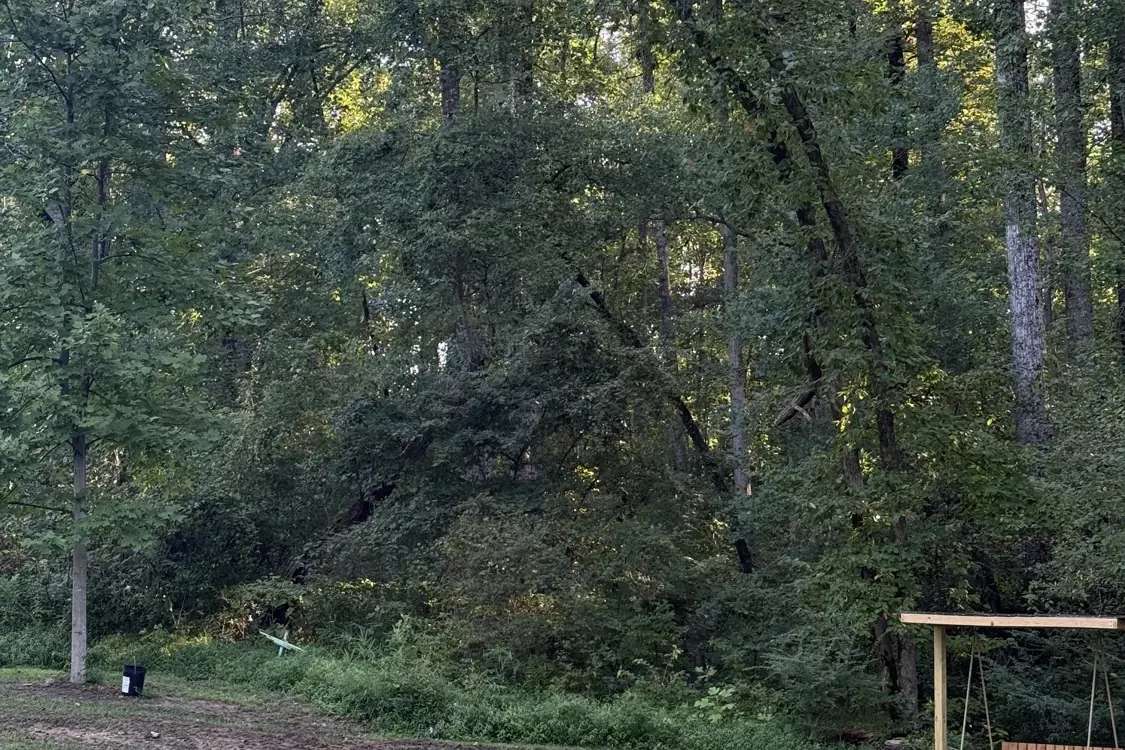
A wooded area can hide a narrow gate, low limbs, wet ground, old wire, a well, or a septic field. Point out what you know and what you are unsure of. Ask where equipment will enter, turn, and leave. Do not rely on a fence as a legal boundary without a survey. Show the contractor any creek, slope, or drainage line before work starts.
Did You Know? NC 811 explains that its locate request covers member utilities, not every private line. A private service line beyond a meter may need a separate private locator. Tell the contractor about known irrigation, septic, and other private features, and discuss locates before any digging or grubbing.
Decide what should stay standing
A landowner often wants the big trees kept while the briars and saplings go. Say that plainly. Mark desired shade trees and ask how equipment will work near their trunks and roots. If a tree looks unsafe or diseased, get the right professional advice rather than treating mulching as a tree-risk inspection.
Woody plants can grow back from roots after their tops are cut. If your main concern is an invasive thicket, ask what follow-up may be needed. The first pass opens the ground; it is not a promise that every plant will stay gone for good.
Plan the next job before the first pass
Leave room for a future build
A mulched trail or open back lot is one result. A stable pad for a house, barn, or driveway is another. Buried roots and organic material can decay under a structure. If you may build, show your builder’s plans to the clearing contractor before deciding where to mulch and where to grub.
You might mulch the land around a proposed homesite while holding the footprint for site preparation. The final build area, drainage, and grades need their own plan. This article is not a substitute for a survey, engineered site plan, or permit review.
Pro Tip: Tell the contractor what will happen after clearing: “I need a trail,” “I need to repair this fence,” or “my builder needs access here.” The next use makes it easier to define the right stopping point for the current job.
Check the rules for the whole project
Mulching that leaves roots in place is not the same as grading a building site. Still, later work may disturb soil. North Carolina DEQ says an erosion and sedimentation control plan is required when a tract will have more than one acre of land disturbed. State exemptions and local rules can change what applies. Check the full proposed scope with the agency that has jurisdiction before work begins.
A creek, wet area, or protected tree may add a separate constraint. Do not decide the permit question from acreage alone. Keep the site plan and any agency guidance with the work order so the clearing and construction phases tell the same story.
Did You Know? NC 811 says to submit a locate request three full working days before digging. Even a shallow excavation can encounter a line. Confirm who will make the request and how private lines will be identified before ground-disturbing work starts.
Turn the walk into a clear work order
Ask for areas and outcomes in writing
A useful estimate should identify the area to be worked, what vegetation stays, what is cut, what happens to the material, and what the ground will look like when the crew leaves. Ask about access, known obstacles, and who handles any follow-up work. If a later phase needs grading or stump removal, have that listed separately rather than hidden inside “mulching.”
You do not need to supply a price per acre from an online article. Density, slope, access, and obstacles differ from one property to the next. A site walk is the right place to turn your map into a defined scope and estimate.
Pro Tip: Take the same marked map to every site walk. If two estimates cover different areas or finishes, compare the scopes first, not just the totals.
Plan what happens after the crew leaves
Walk the finished area before you call it done. Check the boundaries you marked, the trees you wanted to keep, the access route, and any areas set aside for later work. Ask what may resprout and when it would make sense to check the ground again. Mulch is ground cover, not a finished lawn or a promise of zero maintenance.
If construction is next, hand the finished-area map to your builder. It should be clear where roots remain and where full site preparation is still needed. That handoff can prevent a good mulching job from being mistaken for a build-ready pad.
Forestry mulching planning FAQs
Can I use forestry mulching to prepare a house pad?
No. Mulching removes above-ground growth but leaves stumps and roots in the soil. A house pad needs the clearing, grubbing, grading, and compaction required by the builder’s plan; ask the contractor to separate that footprint from areas that can simply be mulched.
Should I mark trees before asking for an estimate?
Yes. Mark the trees and features you want kept, then confirm the marked boundary during the site walk. If you do not know the legal property line, get a survey rather than guessing from an old fence or a map on your phone.
Will the ground stay open after one pass?
Not always. Some cut plants can resprout because their roots remain, and new growth can appear over time. Ask about a follow-up plan that fits your land and the way you want to use it.
What should I bring to a site walk?
Bring a rough map, photos of hard-to-reach spots, known line or septic information, and any builder plans you already have. Be ready to show which areas should stay wooded, which should open up, and which may need construction work later.
Make the next step specific
Forestry mulching works best when you know what you want to use the ground for afterward. Mark your keep, open, and build areas; identify the things hidden in the brush; and ask for a work order that names the finish in each zone. That gives a contractor a real plan to price, not a vague instruction to “clear it.”
ETG Landwork is based in Wingate and offers free estimates for land clearing, forestry mulching, and site work in the surrounding region. If you have an overgrown tract near Charlotte or Union County, request a site walk and free estimate. Bring your marked map and tell Luis what the land needs to become.