Services

Demolition Contractor in Wingate, NC

A collapsing barn, a fire-damaged garage, a mobile home that’s past saving, or an older house on an infill lot in Plaza Midwood that’s worth more as land than as a structure all end up in the same place: you need a demolition contractor who can take it down safely, deal with the permits, and leave ground you can actually build on. ETG Landwork handles residential and light commercial demolition across Charlotte and Union County, from outbuildings on farm properties outside Monroe to teardowns inside I-485. We handle the sequence in the right order, from inspection and utility disconnects to haul-off and final grade, so your lot doesn’t sit half-finished.

  • Free Estimates
  • Owner-Operated
  • Residential & Commercial Projects
01 / 5

What Demolition Actually Involves

Demolition is the controlled tear-down and removal of a structure, including its foundation when required, followed by preparation of the site for whatever comes next. The work that happens before the first wall comes down matters as much as the teardown itself. In North Carolina, every building must be inspected by a state-accredited asbestos inspector before demolition begins, and the state must be notified of the demolition even if no asbestos is found. If regulated asbestos turns up, a licensed abatement contractor removes it first. Next, the power, gas, water, and sewer connections are disconnected and capped by the utility providers, and the local demolition permit is pulled.

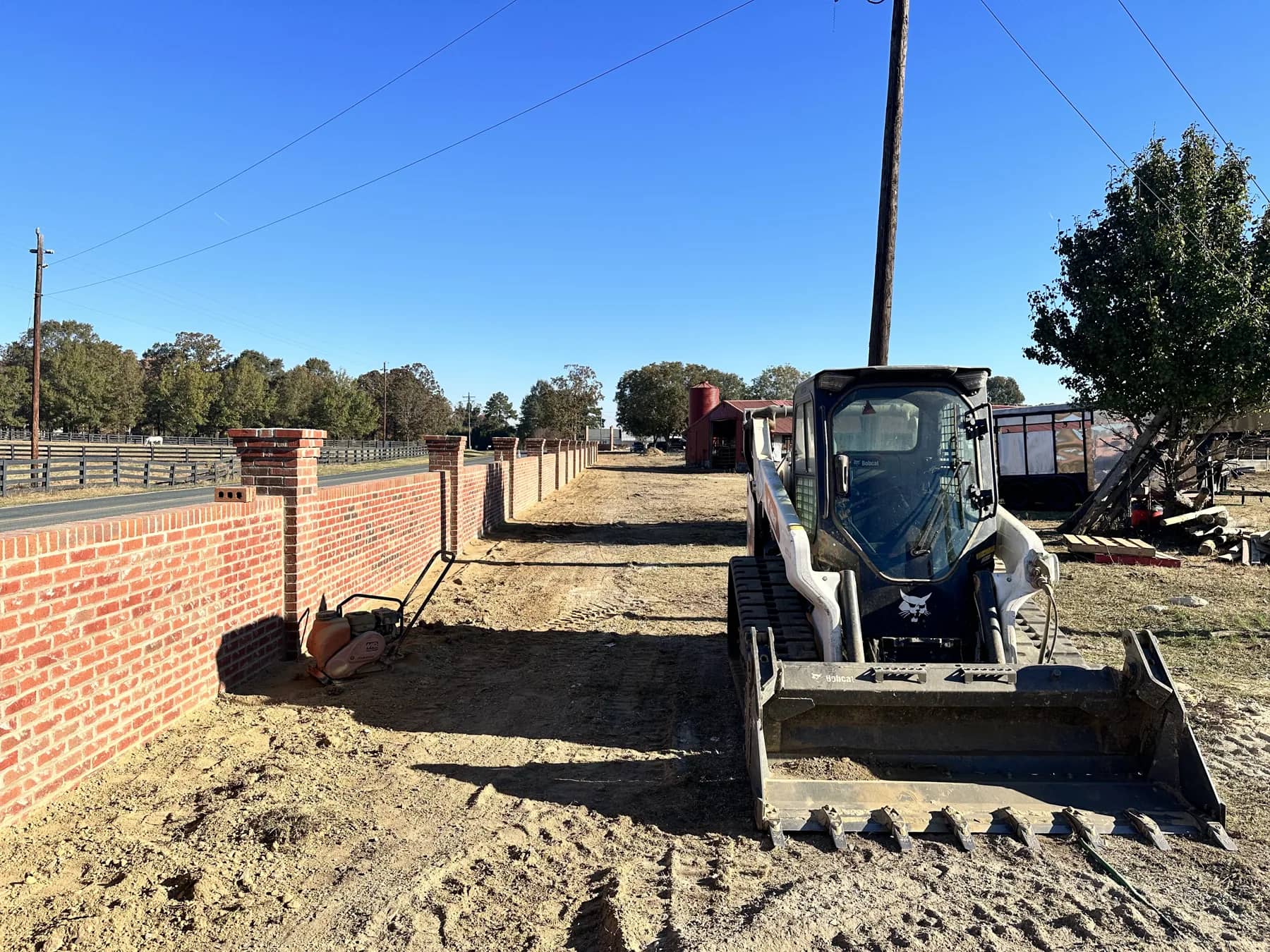
The mechanical teardown is then done with an excavator fitted with a hydraulic thumb, which pulls the structure down in sections and sorts material as it goes, alongside a compact track loader with a grapple for loading and cleanup. Metal, concrete, and wood debris are separated where practical and hauled to permitted recycling or construction-and-demolition disposal facilities. Footings, slabs, and driveways are broken out if needed, and the hole is backfilled and compacted in lifts. The structure that was a liability becomes a clean, level lot that’s ready to sell, build on, or return to lawn.
02 / 5

Our Demolition Process

  1. Step 1: Site Visit and Scope

    Luis visits the property to look at the structure, its foundation, access for equipment, and what’s nearby that needs protecting: trees, fences, neighboring homes, septic systems, and wells. He’ll ask what you want left behind, whether that’s a slab to reuse, a driveway to keep, or bare graded ground. You get a written estimate that defines exactly what comes out and what stays. Being clear on scope up front is what keeps a demolition bid from growing once the work starts.

  2. Step 2: Asbestos Inspection, Notifications, and Permits

    An NC-accredited inspector surveys the building before anything is disturbed. That’s a legal requirement, not an optional extra, and it also protects you and your neighbors. The state demolition notification is filed at least 10 working days before the start date, and the local demolition permit is obtained through the city or county. In Mecklenburg County, the county’s own air quality program adds its own asbestos requirements. Doing this step right is what keeps your project from being shut down and fined halfway through.

  3. Step 3: Utility Disconnects and Site Protection

    Electric, gas, water, and sewer service are disconnected and capped by the providers before any machine touches the structure. We set up the work area, protect the trees and features you want kept, and plan the equipment path so heavy machines don’t cross septic fields or tear up more of the yard than necessary. Salvageable items you want to keep, like doors, fixtures, or old timbers, come out at this stage.

  4. Step 4: Mechanical Demolition and Haul-Off

    The structure comes down in a controlled sequence with an excavator and thumb, working from the top down and pulling material inward, away from anything that needs protecting. Debris is sorted and loaded as the work goes, so the site never turns into one large pile. Metal and clean concrete are separated for recycling where practical, and the rest goes to a permitted disposal facility. Most single-structure teardowns go from standing building to cleared pad in a matter of days.

  5. Step 5: Foundation Removal, Backfill, and Final Grade

    If the scope calls for it, footings, slabs, and crawlspace walls are broken out and removed. The remaining hole is backfilled with suitable fill and compacted in layers so it won’t settle under a future foundation. We rough-grade the lot to drain, walk the site with you, and hand over ground that’s ready for a builder, a buyer, or new grass.

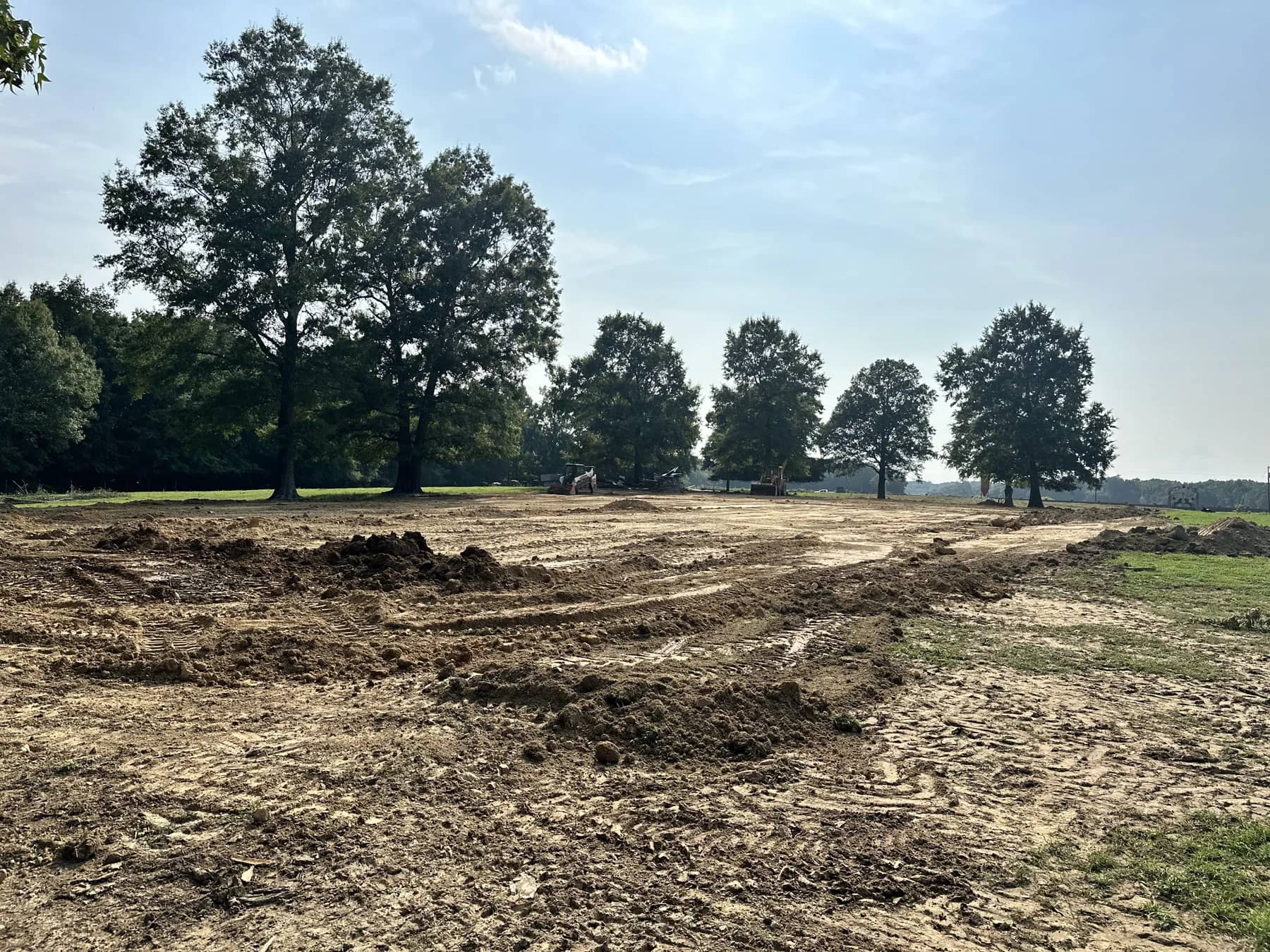
Land clearing result: open, graded acreage with exposed soil and mature trees left standing
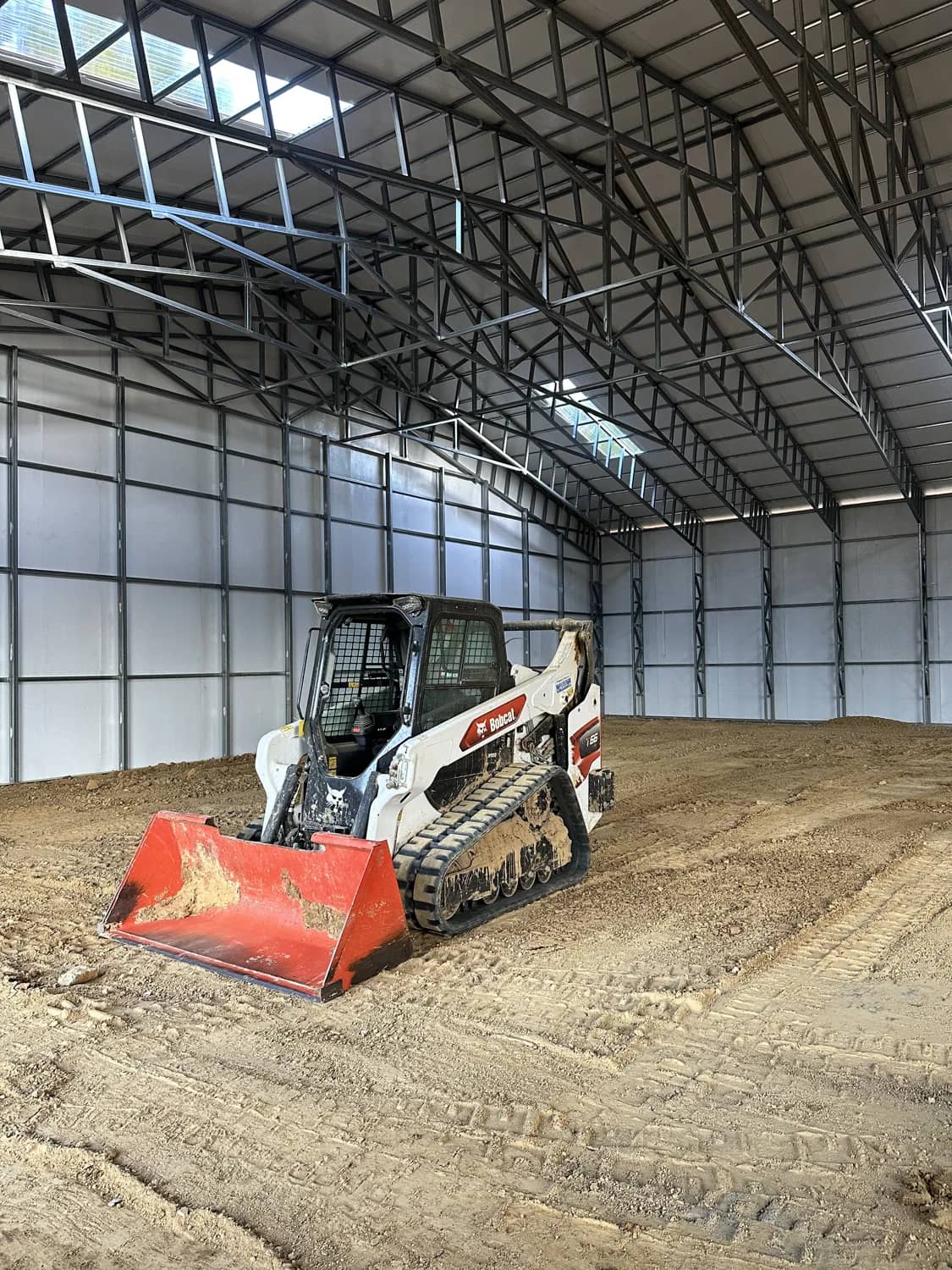
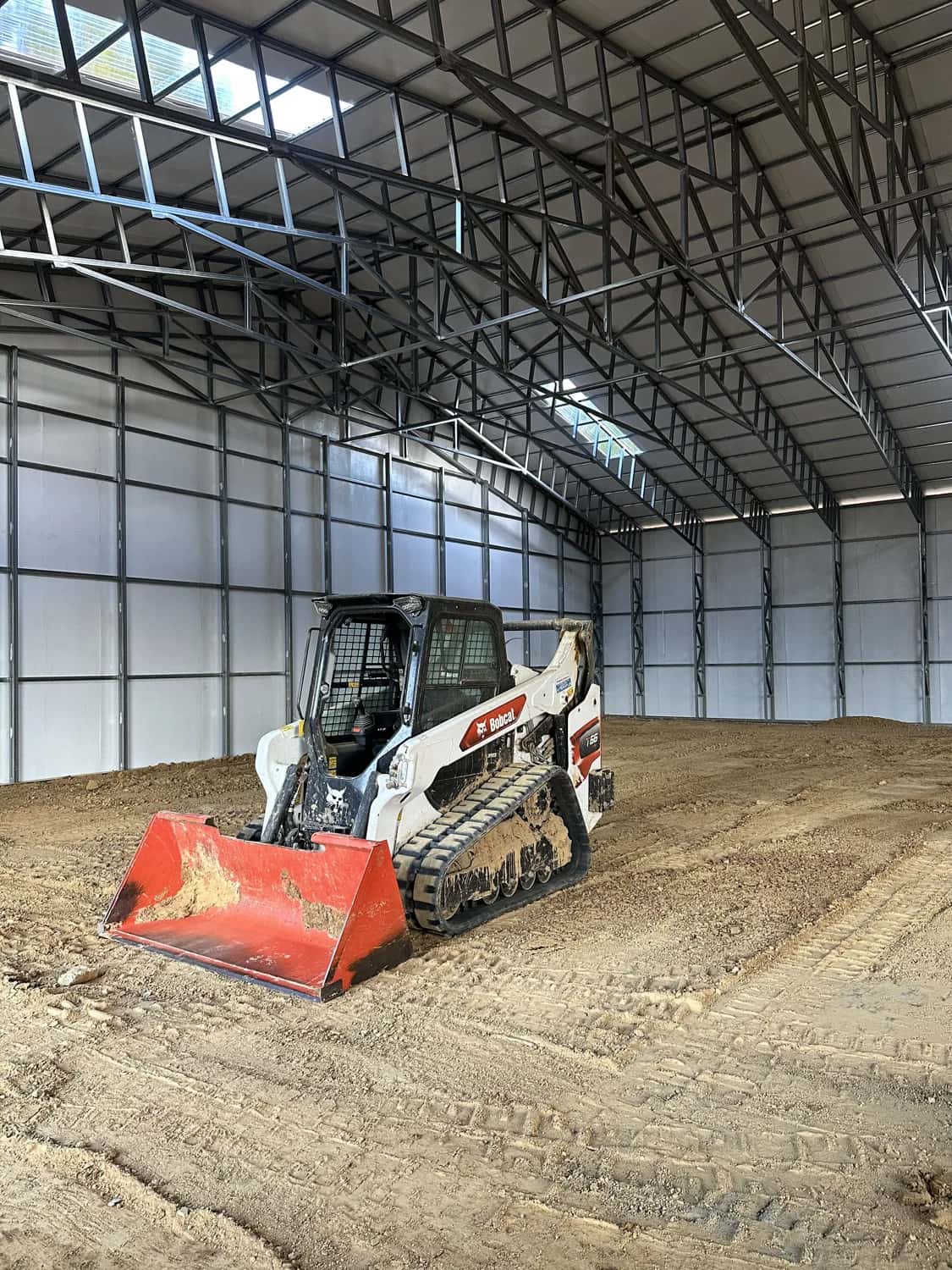
Skid steer on an exposed work site with freshly worked ground
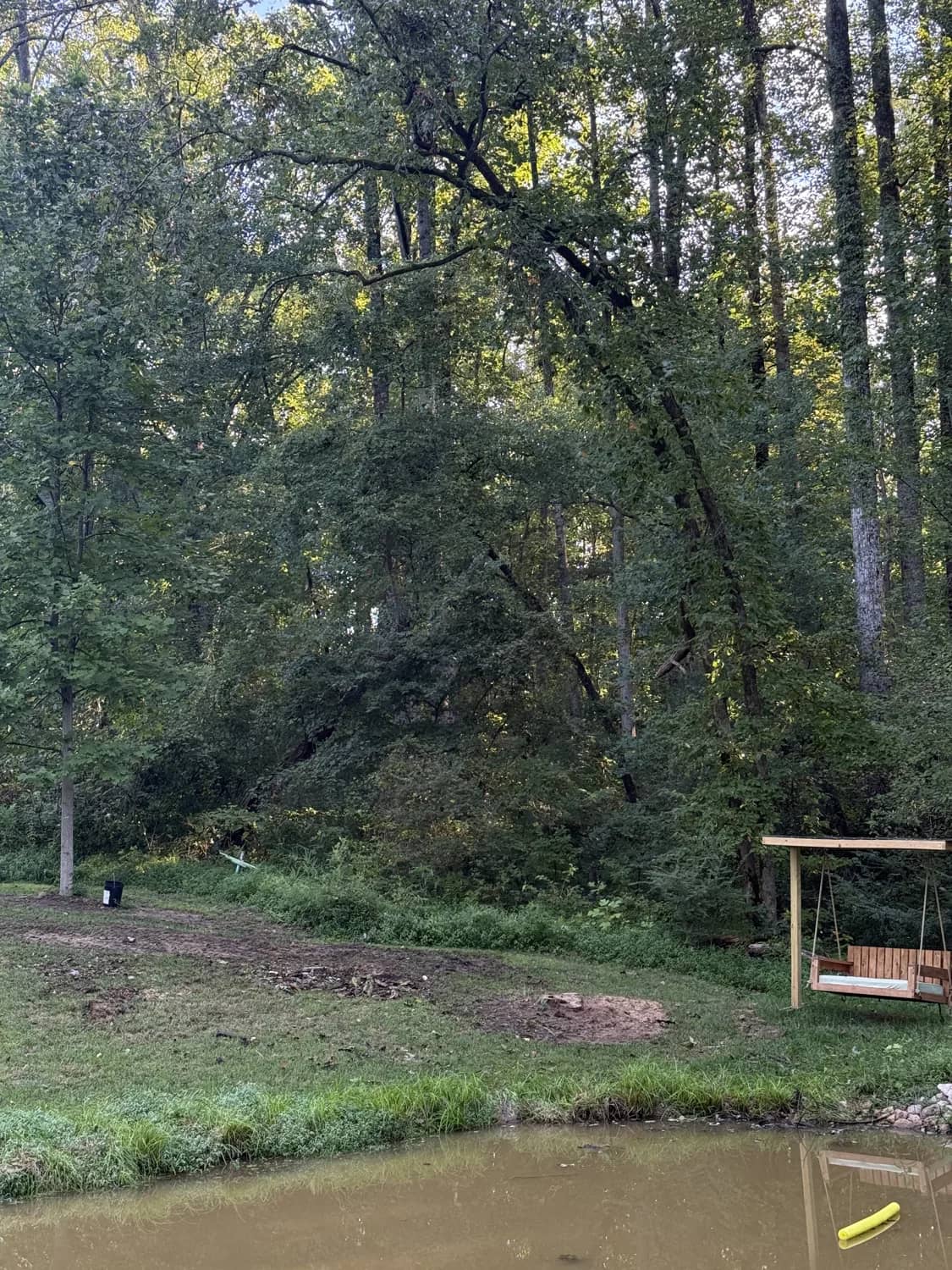
Overgrown wooded lot with dense understory and standing trees, the kind of ground forestry mulching opens up
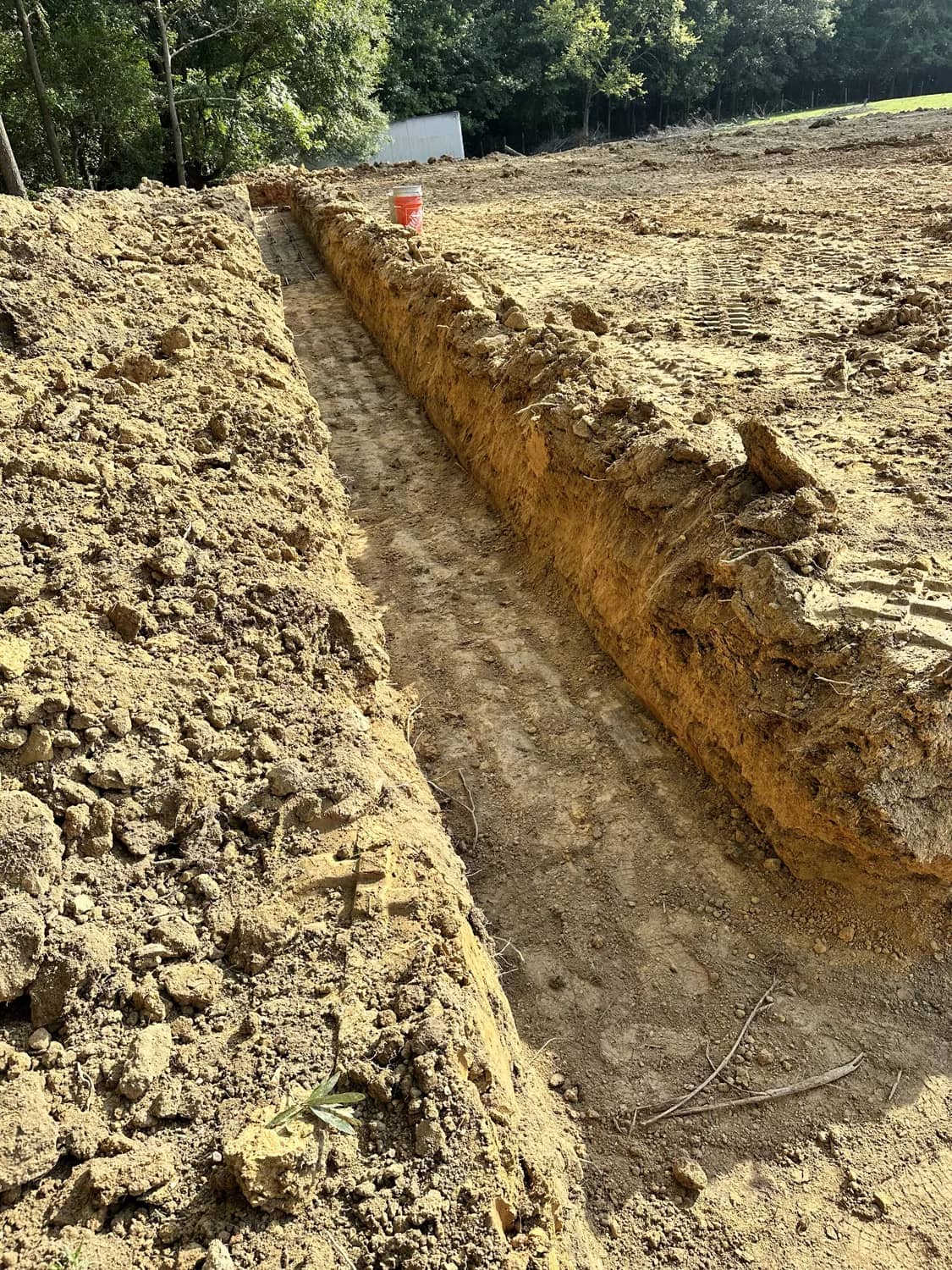
Trench excavation cut across a prepared dirt site
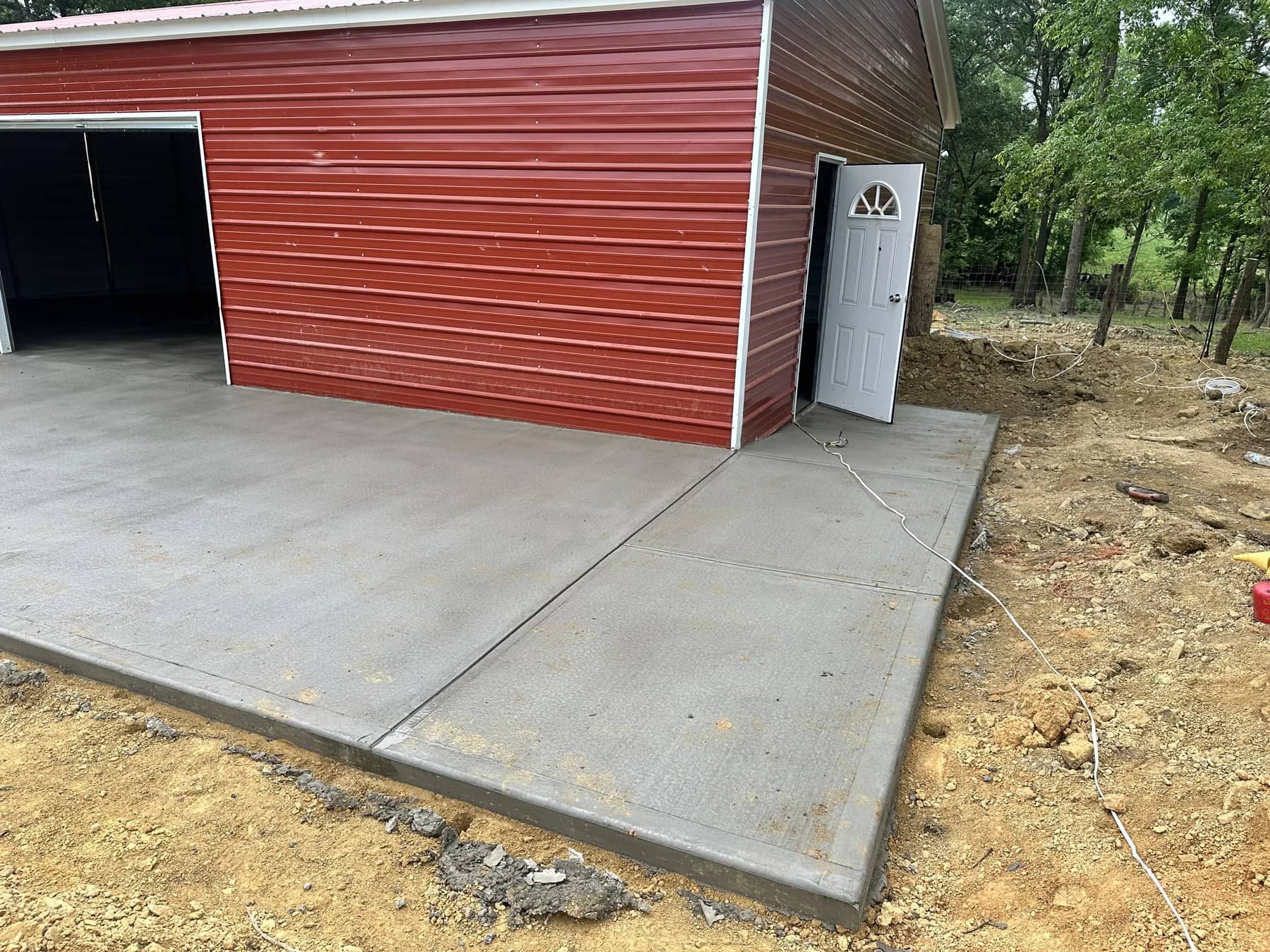
Driveway preparation: concrete apron beside a red outbuilding and graded open ground
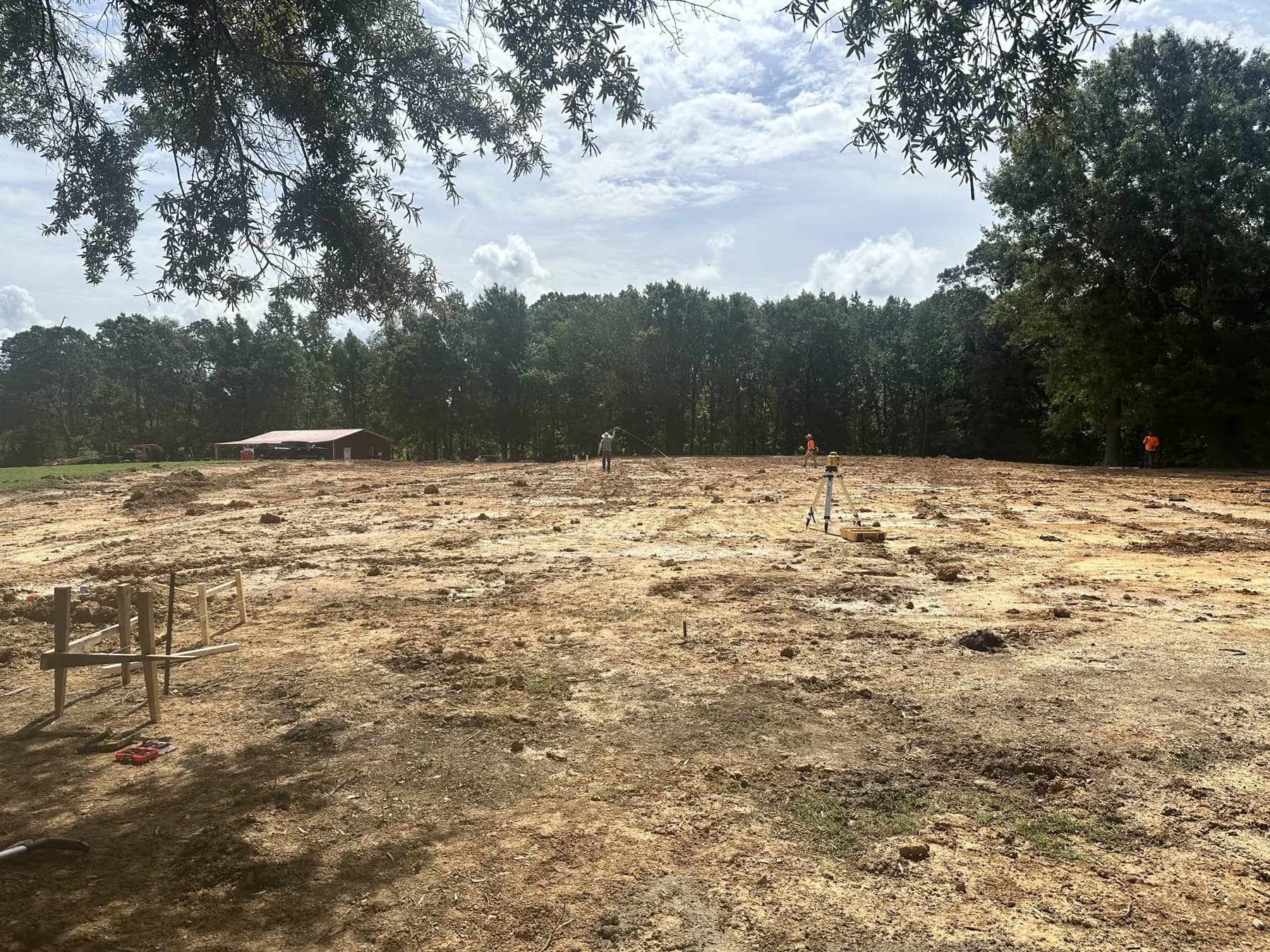
Graded open property bordered by a mature tree line, ready for the next stage of site work
03 / 5

Serving Charlotte and the Surrounding Area

Demolition around Charlotte comes in two very different forms, and we handle both. In the city’s older close-in neighborhoods, like Plaza Midwood, Chantilly, and the streets off Central Avenue and Monroe Road, it usually means taking down a single aging house on a tight lot, with neighbors a few feet away and a new home going up in its place. Out in Union County, around Monroe, Wingate, Marshville, and the land between them along US-74, it’s more often old tobacco and equipment barns, sheds, farmhouses, and mobile homes on open acreage. ETG Landwork, a Wingate-based demolition and land clearing contractor, works throughout both, including Matthews, Mint Hill, Indian Trail, and Stallings along the I-485 corridor.

Much of the older housing stock in this region predates the phase-out of asbestos in building materials. Siding, floor tile, pipe insulation, and roofing in homes and outbuildings built before the 1980s often contain it, which is why the inspection step is never skipped. The region’s Piedmont red clay also matters after the building is gone. Backfilling a basement or crawlspace with loose clay and walking away is how lots end up with sinkholes a year later, so we compact in layers.

04 / 5

Why Charlotte Property Owners Choose ETG Landwork for Demolition

Demolition is the job where cutting corners costs the most, and most of that cost lands on the property owner. North Carolina’s Health Hazards Control Unit requires an accredited asbestos inspection before any demolition and a state demolition notification even when no asbestos is present, and it notes that a local demolition permit alone doesn’t satisfy the state requirement, per NC DHHS asbestos guidance for demolition projects. Inside Charlotte, Mecklenburg County Air Quality runs its own asbestos program on top of that. We walk you through every one of these steps so there are no surprises.

ETG Landwork is owner-operated. Luis Gallardo learned demolition, grading, and land clearing over about three years on a working farm, running excavators, skid steers, and a dozer, and started the company in 2026 to take on that work full time. You deal with him from the first site visit to the final walkthrough, not a salesperson who hands you off to a crew you’ve never met. Get to know Luis and ETG Landwork.

Because we also handle land clearing, grading, and house pads, a demolition job doesn’t have to end with a bare lot and a phone call to a second contractor. We can take the site from old structure to building-ready ground in one continuous project. Estimates are free.

Good questions

Demolition FAQs

Yes, and usually more than one. Most cities and counties require a local demolition permit, and the state requires an asbestos inspection by an accredited inspector plus a demolition notification filed at least 10 working days before work begins, even if no asbestos is found. In Mecklenburg County, the county air quality program has additional asbestos requirements.

Prefer to talk it through? Call (980) 328-5311

Let’s get moving

Ready to Take It Down?

Whether it’s a single barn or a teardown lot inside the city, the first step is a site visit. Schedule your free demolition estimate, and Luis will come look at the structure in person.

Call nowFree estimate